Land Use
01
Land Management
Balancing integrated land use across urban and suburban settings in a sustainable way to reduce conflicting resource demands.
Investigating air, water, and land ecosystems—advancing environmental compliance, biological remediation, and resource conservation to protect our shared planet.
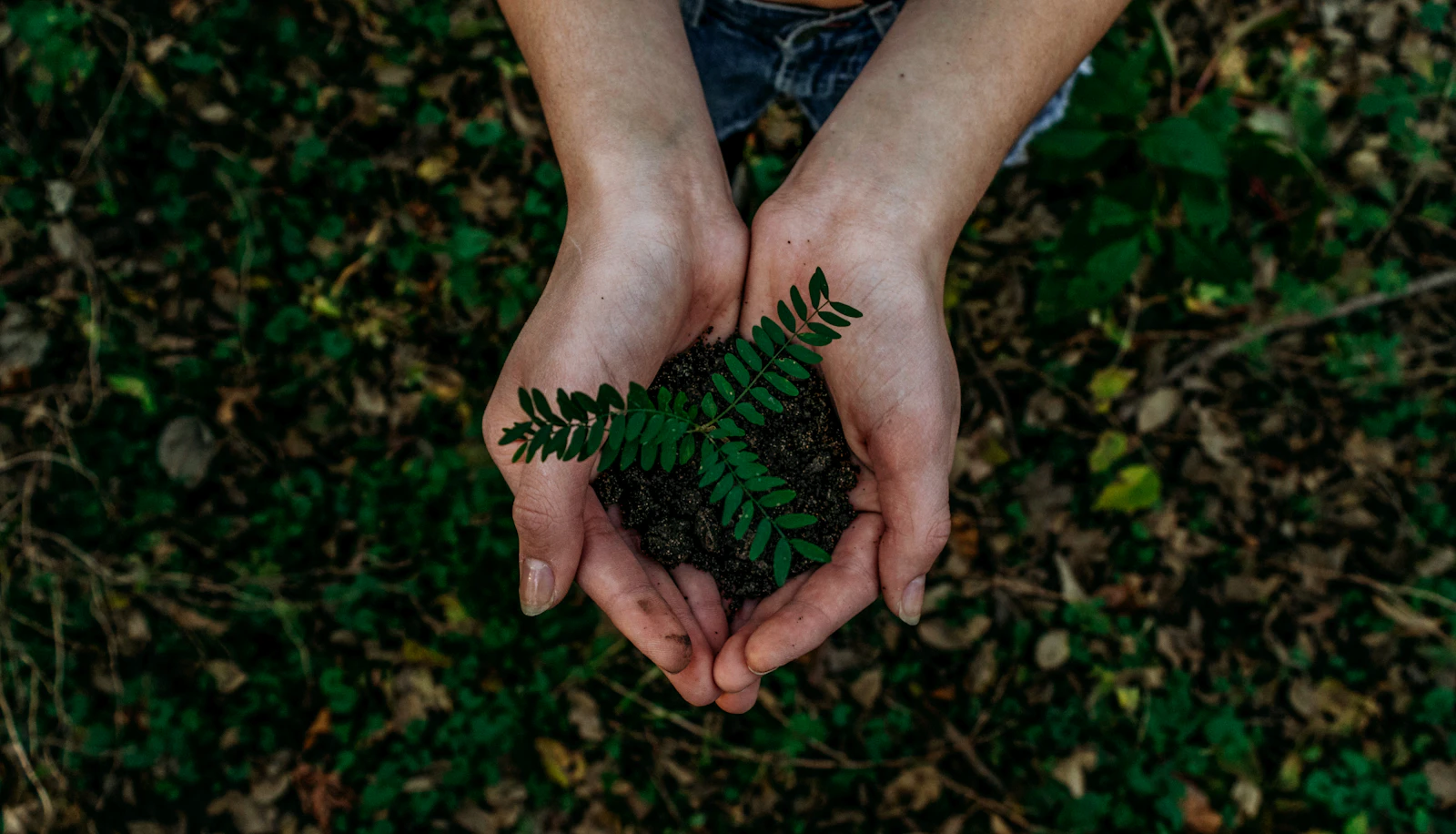
Balancing integrated land use across urban and suburban settings in a sustainable way to reduce conflicting resource demands.
Analyzing forest conversion to pasture or urban land, protecting critical tree cover, and combating loss of natural biodiversity.
Implementing modern natural resource management approaches that preserve healthy ecosystems and secure long-term biological diversity.
Using plants and microbes (phytoremediation, constructed wetlands, and bio-filters) to neutralize toxins in polluted soils and waterways.
Measuring airborne chemical particulates, safeguarding human and animal respiratory health, and curbing atmospheric deterioration.
Detecting toxic chemical buildup, salts, and persistent contaminants in soils to safeguard agriculture and local plant growth.
Tracking sewage, agrochemicals, and industrial runoff in freshwater bodies to restore safe, undisturbed aquatic systems.
Assessing disruptive transportation, urban, and industrial sounds that impair human wellbeing and wildlife communication.
Implementing source reduction, product life extension, and material recovery (glass, metals, plastics) to turn waste into value.