Category Focus · Golden Climate
Sustainable Agriculture
Empowering students to solve critical food security, post-harvest conservation, and climate resilience challenges across Africa and developing nations worldwide.
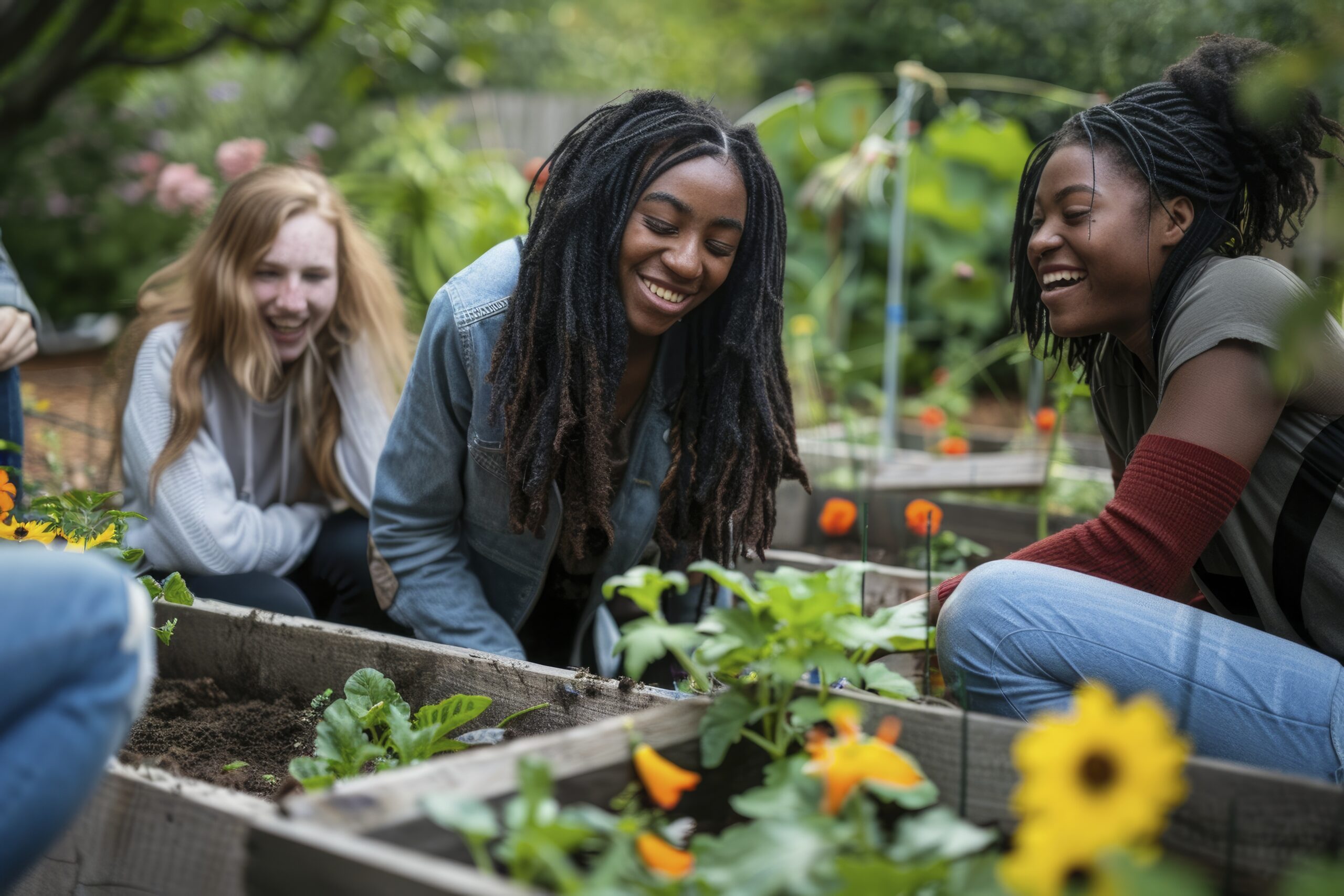
Field Innovation & Sustainable Agriculture
70%
Of the population across African nations depends on agriculture for their survival and well-being[cite: 6].
200M+
People rely directly on livestock for sustenance, draught power, and income (milk, meat, skins)[cite: 6].
30%
Of the gross value of agricultural production across the continent is generated by livestock[cite: 6].
2/3rds
Of Africa's population lives in rural areas depending on agriculture and local natural resources[cite: 6].
Special Category Note: Global Participation Welcome
Even though the primary focus of this category is "Agriculture in Africa"[cite: 6]—addressing regional food production hurdles and post-harvest conservation[cite: 6]—this category is open to participants from all over the world[cite: 6]. Students are fully encouraged to present agricultural solutions regardless of geographic boundaries[cite: 6].
Project Pathways
Six Approved Agricultural Focus Areas
Yield & Resilience
01
Food Production Systems
Designing climate-smart crop varieties, precision drip irrigation, regenerative agroforestry, and vertical farming prototypes.
Supply Chain
02
Post-Harvest & Food Conservation
Developing solar drying chambers, natural organic bio-preservatives, and zero-energy cold storage systems to prevent food spoilage.
Rural Livelihoods
03
Livestock Management & Care
Innovations supporting milk and meat yields, drought-resilient fodder production, and animal husbandry disease management.
Soil & Water
04
Soil Nutrition & Composting
Formulating organic bio-fertilizers, vermiculture systems, and biochar enrichment to restore degraded agricultural soils.
Agri-Tech
05
Affordable Smart Farming Tools
Low-cost soil moisture sensors, weather alert automation, and sustainable pest repellent formulas for smallholder farmers.
Circular Farming
06
Agricultural Waste-to-Value
Transforming agricultural chaff, maize cobs, and crop stalks into clean energy briquettes, animal feeds, and bio-packaging.