Category Focus · Golden Climate
Energy & Resources
Investigate natural power generation, study fuel cells, design cost-saving efficiency systems, and construct working renewable models.
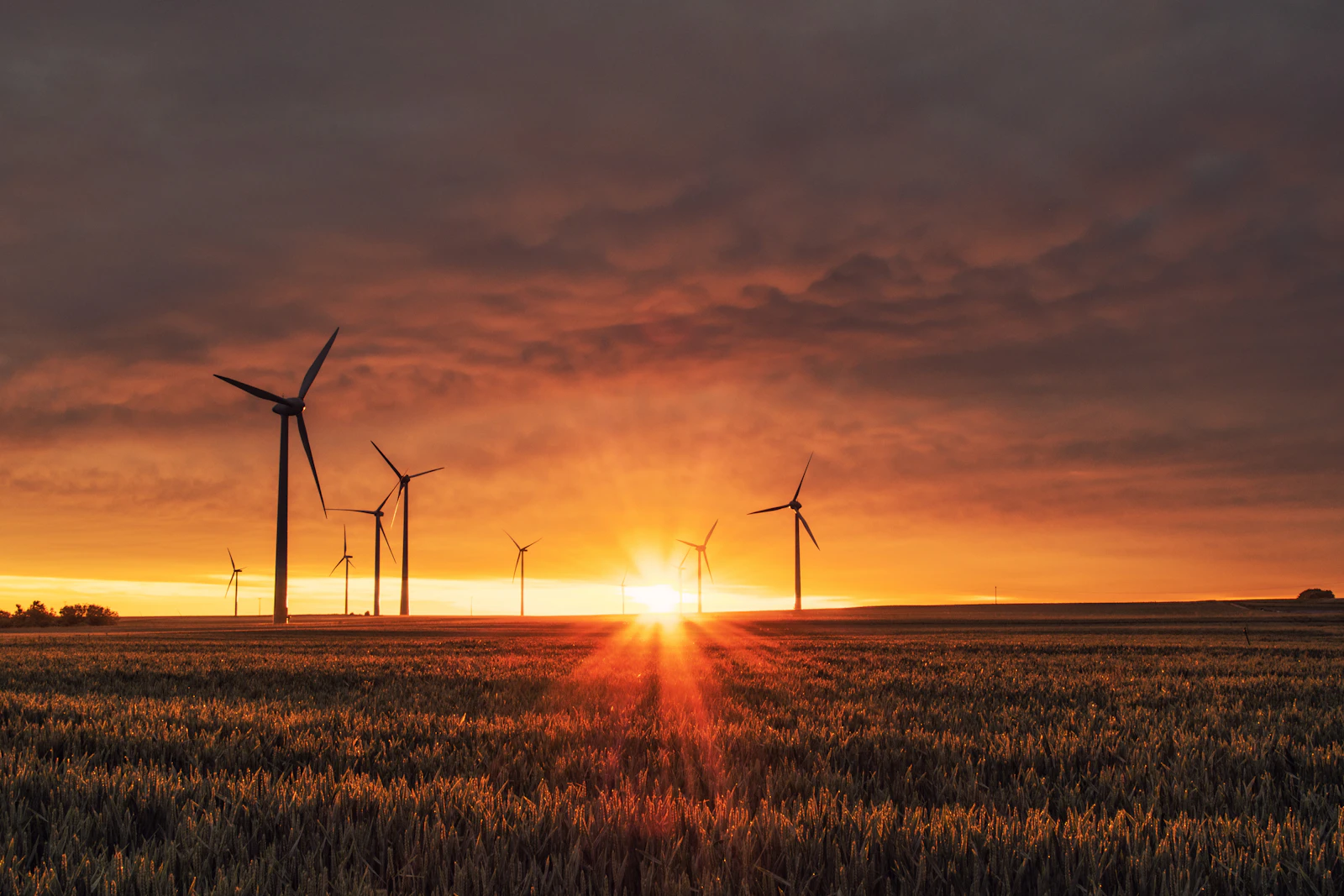
Clean Power · Resource Efficiency · Sustainable Advancements
Natural Resources
Investigate sunlight, wind, and water to run turbines and generate clean electricity.
Fuel Cells
Study chemical-to-electricity conversion through modern fuel cell prototypes.
Efficiency & Savings
Explore money- and power-saving solutions for computers, homes, and transit.
Working Models
Construct working scale models of wind turbines, hydro units, or geothermal plants.
Curriculum Breakdown
Seven Approved Subtopics
Natural Flows
01
Renewable Energy
Harnessing natural phenomena such as sunlight, wind, tides, and geothermal heat—spanning solar power, wind turbines, hydro, and bio-transportation.
Organic Power
02
Bio Energy
Converting complex carbohydrates in organic matter into useful fuels, whether direct biomass combustion or refined liquid and gaseous biofuels.
Fossil Mitigation
03
Non-Renewable: Clean & Green
Pioneering cleaner advancements and filtration methods to drastically minimize the environmental footprint of depletable fossil fuels.
Zero Emissions
04
Clean Energy Technology
Technologies built for minimal ecological harm: clean fuels, electric vehicles (EVs), fuel cells, hybrid systems, and hydrogen applications.
Resource Optimization
05
Energy Efficiency
Using less electrical power to deliver the exact same service or output, systematically reducing economic costs and ecological strain.
Behavior & Habits
06
Energy Conservation
Targeting behavioral transformation and structural cutbacks to reduce unnecessary power demand across households and institutions.
Strategy & Governance
07
Energy Business & Policies
Developing sustainable enterprise business models, public policy roadmaps, and economic actions to combat accelerating power crises.